| How it works now | |
|---|---|
| When there is an interview | If you have no document proving your Polish (a school certificate, diploma or the state certificate) |
| Language | Polish only |
| Level | The law asks for a basic knowledge and names no level; in practice about A2 |
| Topics | You, your family and roots, traditions, history and Poland today |
| Official list of questions | None — below are the typical topics from our preparation lessons |
| Checked | November 2026 |
How the conversation with the consul works
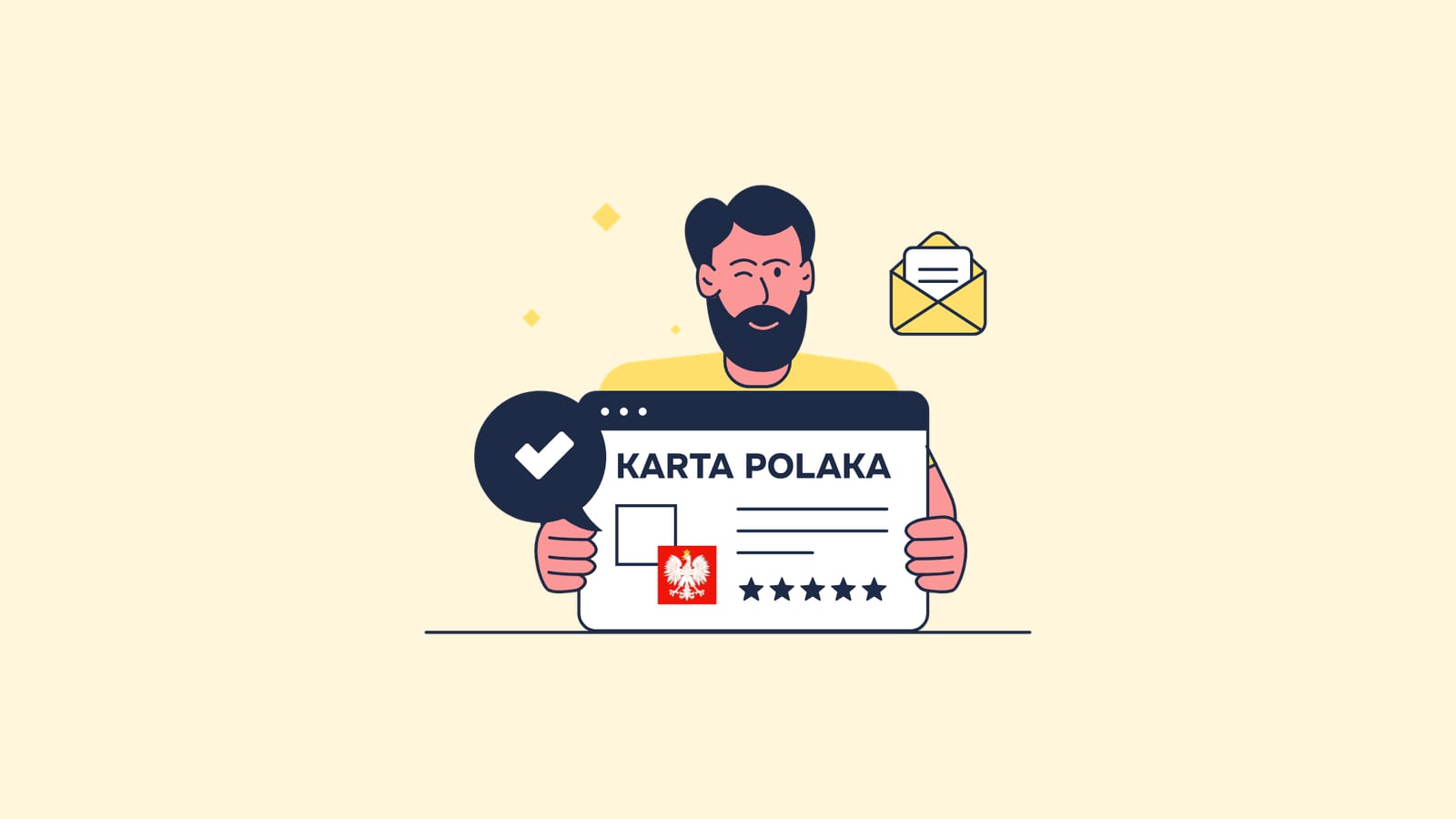
The conditions of the Karta Polaka are set out in the act (Ustawa o Karcie Polaka): among them at least a basic knowledge of Polish and knowledge of Polish traditions. If you have no language document, the consul checks this in the conversation and asks about your story of Polish origin.
The conversation is usually short. What matters to the consul is not how many dates you have learnt, but that you understand the questions, answer in your own words and your family story matches your documents.
| Topic | What is checked | Tip |
|---|---|---|
| About yourself | Understanding simple questions, answering in a full sentence | Prepare 5–6 sentences about yourself |
| Family | Family vocabulary, the past tense | Tell the truth; names exactly as in your documents |
| Roots | Your link to Polishness, consistency with the documents | Write down your ancestors’ names, years and places of birth |
| History | Key dates | Year + what happened + who; no lectures |
| Traditions | Knowing and keeping the customs | Tell how it is done in your home |
| Poland today | General knowledge: symbols, geography, the EU | Say names and numbers in Polish |
Culture and famous Poles — writers, composers, scientists, Nobel laureates — come with the traditions; geography and the national symbols with “Poland today”.
The language: how it is checked
There is no separate language test: the consul hears your Polish throughout the conversation, which is held in Polish only. The law requires a basic knowledge of Polish and names no CEFR level. What counts is understanding the question and answering in simple full sentences. If you do not understand a question, ask again — that is perfectly normal:
- Przepraszam, czy może Pan/Pani powtórzyć? — Excuse me, could you repeat that?
- Czy może Pan/Pani mówić wolniej? — Could you speak more slowly?
- Przepraszam, nie zrozumiałem / nie zrozumiałam pytania. — Sorry, I did not understand the question.
- Mówię jeszcze powoli, ale się uczę. — I still speak slowly, but I am learning.
How to use these answers
- They are samples, not a script. The answers are written for an example person — Olga from Grodno in Belarus, whose grandfather was Polish. Put your own story in.
- Level A2–B1. Short sentences, the present and past tense, familiar words. You do not need anything harder — speaking confidently matters more.
- Pan / Pani. The consul says “Pan” (to a man) or “Pani” (to a woman) with the verb in the third person. Men use the masculine forms in their answers: “byłem”, “skończyłem”, “czuję się Polakiem”.
- Did not understand? Ask again. The phrases are in the section on the language above: asking again is better than answering a different question.
About yourself: 8 questions
Almost every conversation starts here. The consul listens for whether you understand the question and can answer with a whole sentence, not a single word.
- Jak się Pan/Pani nazywa? (What is your name?) — “Nazywam się Olga Nowik.”
- Ile ma Pan/Pani lat? (How old are you?) — “Mam 32 lata.”
- Gdzie Pan/Pani mieszka? (Where do you live?) — “Mieszkam w Grodnie, niedaleko granicy z Polską.”
- Czym się Pan/Pani zajmuje? (What do you do?) — “Pracuję jako księgowa w małej firmie.”
- Jakie ma Pan/Pani wykształcenie? (What is your education?) — “Skończyłam studia ekonomiczne w Grodnie.”
- Co Pan/Pani lubi robić w wolnym czasie? (What do you like doing in your free time?) — “Lubię czytać, gotować i spacerować. W weekendy często jeżdżę na rowerze.”
- Jak długo uczy się Pan/Pani polskiego? (How long have you been learning Polish?) — “Uczę się polskiego od dwóch lat. Chodzę na kurs online, a w domu oglądam polskie filmy.”
- Czy był Pan / była Pani w Polsce? (Have you been to Poland?) — “Tak, byłam w Krakowie i w Warszawie. Najbardziej podobało mi się Stare Miasto w Krakowie.”
Family: 7 questions
Questions about your family often lead to questions about your roots. Answer as it is: names and dates must match your documents.
- Czy ma Pan/Pani rodzinę? (Do you have a family?) — “Tak, mam męża i syna. Syn ma siedem lat i chodzi do szkoły.”
- Czym zajmują się Pana/Pani rodzice? (What do your parents do?) — “Mama jest nauczycielką, a tata pracuje jako kierowca.”
- Czy ma Pan/Pani rodzeństwo? (Do you have brothers or sisters?) — “Mam młodszego brata. Mieszka z rodziną w Mińsku.”
- Kto w rodzinie mówi po polsku? (Who in your family speaks Polish?) — “Babcia mówiła po polsku. Teraz uczę się polskiego razem z mamą.”
- Jakie polskie tradycje są w Pana/Pani rodzinie? (Which Polish traditions does your family keep?) — “Na Wigilię dzielimy się opłatkiem, a na Wielkanoc święcimy koszyczek.”
- Czy Pana/Pani dzieci uczą się polskiego? (Are your children learning Polish?) — “Tak, syn zna polskie piosenki i bajki. Chcę, żeby mówił po polsku.”
- Jak Pana/Pani rodzina spędza święta? (How does your family spend the holidays?) — “Spotykamy się u rodziców. Razem gotujemy, śpiewamy kolędy i idziemy do kościoła.”
Polish roots: 9 questions
The main part of the conversation. The consul checks your story against your documents of Polish origin, so write down names, dates and places beforehand.
- Kto w Pana/Pani rodzinie był Polakiem? (Who in your family was Polish?) — “Mój dziadek, Józef Nowicki. Był Polakiem z pochodzenia.”
- Gdzie i kiedy urodził się dziadek? (Where and when was your grandfather born?) — “Urodził się w 1931 roku we wsi pod Lidą.”
- Jakie dokumenty potwierdzają polskie pochodzenie? (Which documents confirm your Polish origin?) — “Mam akt urodzenia dziadka. Jest w nim zapisana narodowość polska.”
- Co wie Pan/Pani o rodzinie dziadka? (What do you know about your grandfather’s family?) — “Rodzina dziadka mieszkała na wsi. Prababcia miała na imię Helena, a pradziadek był rolnikiem.”
- Jakiego wyznania był dziadek? (What was your grandfather’s religion?) — “Był katolikiem. Chodził do kościoła i modlił się po polsku.”
- Czy dziadek mówił po polsku? (Did your grandfather speak Polish?) — “Tak, w domu mówił po polsku. Pamiętam, jak śpiewał mi polskie kołysanki.”
- Dlaczego rodzina dziadka nie mieszkała w Polsce? (Why did your grandfather’s family not live in Poland?) — “Po wojnie granice się zmieniły i ich wieś znalazła się poza Polską. Rodzina została, bo tam był ich dom.”
- Dlaczego chce Pan/Pani otrzymać Kartę Polaka? (Why do you want the Karta Polaka?) — “Czuję się Polką, tak jak mój dziadek. Chcę, żeby moje dzieci znały polski język i kulturę.”
- Co dla Pana/Pani znaczy być Polką? (What does being Polish mean to you?) — “To znaczy pamiętać o przodkach, znać język, historię i tradycje i przekazywać je dzieciom.”
Polish history: 10 questions
Usually the key dates. One or two sentences are enough: the year, what happened and who the main figure was.
- Kiedy był chrzest Polski? (When was the baptism of Poland?) — “W 966 roku. Chrzest przyjął książę Mieszko I.”
- Kto był pierwszym królem Polski? (Who was the first king of Poland?) — “Bolesław Chrobry. Koronował się w 1025 roku.”
- Co się stało w 1410 roku? (What happened in 1410?) — “Była bitwa pod Grunwaldem. Wojska polskie i litewskie pokonały Krzyżaków.”
- Co to jest Konstytucja 3 Maja? (What is the Constitution of 3 May?) — “To pierwsza konstytucja w Europie. Sejm uchwalił ją w 1791 roku.”
- Co to są rozbiory Polski? (What were the partitions of Poland?) — “Pod koniec XVIII wieku Rosja, Prusy i Austria podzieliły Polskę. Przez 123 lata nie było państwa polskiego.”
- Kim był Tadeusz Kościuszko? (Who was Tadeusz Kościuszko?) — “To bohater narodowy. W 1794 roku dowodził powstaniem przeciwko Rosji.”
- Kiedy Polska odzyskała niepodległość? (When did Poland regain independence?) — “11 listopada 1918 roku. Ważną rolę odegrał wtedy Józef Piłsudski.”
- Kiedy zaczęła się II wojna światowa? (When did the Second World War begin?) — “1 września 1939 roku, kiedy Niemcy zaatakowały Polskę.”
- Co to było Powstanie Warszawskie? (What was the Warsaw Uprising?) — “Walka mieszkańców Warszawy z Niemcami. Zaczęło się 1 sierpnia 1944 roku i trwało 63 dni.”
- Co to jest „Solidarność”? (What is Solidarity (Solidarność)?) — “To niezależny związek zawodowy, który powstał w 1980 roku. Jego przywódcą był Lech Wałęsa.”
Traditions and culture: 9 questions
The law requires knowing and cultivating Polish traditions, so holidays come up almost every time. It works best to tell how the holiday is kept in your own home.
- Jak wygląda Wigilia? (What is Wigilia (Christmas Eve) like?) — “Dwudziestego czwartego grudnia czekamy na pierwszą gwiazdkę, dzielimy się opłatkiem i jemy dwanaście potraw.”
- Co to jest Pasterka? (What is Pasterka?) — “To msza o północy, z 24 na 25 grudnia.”
- Jak Polacy obchodzą Wielkanoc? (How do Poles celebrate Easter?) — “W sobotę święcimy jajka, chleb i sól, w niedzielę jemy uroczyste śniadanie, a w poniedziałek jest śmigus-dyngus.”
- Co Polacy robią 1 listopada? (What do Poles do on 1 November?) — “To Wszystkich Świętych. Idziemy na cmentarz, zapalamy znicze i przynosimy kwiaty.”
- Co to jest tłusty czwartek? (What is Fat Thursday (tłusty czwartek)?) — “To ostatni czwartek przed Wielkim Postem. Jemy wtedy pączki i faworki.”
- Co to są andrzejki? (What are andrzejki?) — “To wieczór przed dniem świętego Andrzeja, 29 listopada. Młodzi wróżą sobie przyszłość, na przykład leją wosk przez klucz.”
- Co to są imieniny? (What are imieniny (name days)?) — “To święto imienia. W Polsce imieniny często obchodzi się tak jak urodziny.”
- Jakich polskich pisarzy Pan/Pani zna? (Which Polish writers do you know?) — “Adama Mickiewicza, Henryka Sienkiewicza i Wisławę Szymborską. Czytałam „Quo vadis” Sienkiewicza.”
- Jakich znanych Polaków Pan/Pani zna? (Which famous Poles do you know?) — “Mikołaja Kopernika, Marię Skłodowską-Curie, Fryderyka Chopina i Jana Pawła II.”
Poland today: 7 questions
Symbols, geography and Poland’s place in Europe. These questions test general knowledge and vocabulary — say dates and names confidently.
- Jaka jest stolica Polski? (What is the capital of Poland?) — “Warszawa. Wcześniej stolicą był Kraków.”
- Jakie są polskie symbole narodowe? (What are Poland’s national symbols?) — “Biały orzeł w koronie na czerwonym tle, flaga biało-czerwona i hymn „Mazurek Dąbrowskiego”.”
- Jak zaczyna się hymn Polski? (How does the Polish national anthem begin?) — “„Jeszcze Polska nie zginęła, kiedy my żyjemy”.”
- Z jakimi krajami graniczy Polska? (Which countries border Poland?) — “Z Niemcami, Czechami, Słowacją, Ukrainą, Białorusią, Litwą i Rosją. Na północy jest Morze Bałtyckie.”
- Jaka jest najdłuższa rzeka w Polsce? (What is the longest river in Poland?) — “Wisła. Płynie przez Kraków i Warszawę do Morza Bałtyckiego.”
- Od kiedy Polska jest w Unii Europejskiej? (Since when has Poland been in the European Union?) — “Od 2004 roku. W NATO jest od 1999 roku.”
- Jaka waluta jest w Polsce? (What is the currency of Poland?) — “Złoty. Jeden złoty to sto groszy.”
Follow-up questions: 5 more examples
The consul often digs deeper: after “which famous Poles do you know” comes a question about one of them, after the holidays one about the food. Such questions check that you speak in your own words, not from a memorised list.
- Proszę opowiedzieć o sobie. (Tell us about yourself.) — “Nazywam się Olga Nowik, mam 32 lata i mieszkam w Grodnie, niedaleko granicy z Polską. Pracuję jako księgowa w małej firmie. Mój dziadek był Polakiem, dlatego uczę się polskiego.”
- Kim był Fryderyk Chopin? (Who was Fryderyk Chopin?) — “To polski kompozytor i pianista. Urodził się w 1810 roku w Żelazowej Woli.”
- Jakich polskich noblistów Pan/Pani zna? (Which Polish Nobel laureates do you know?) — “Marię Skłodowską-Curie, Henryka Sienkiewicza, Czesława Miłosza i Wisławę Szymborską. Skłodowska-Curie dostała Nagrodę Nobla dwa razy.”
- Nad jakim morzem leży Polska? (Which sea is Poland on?) — “Nad Morzem Bałtyckim. Nad morzem leżą na przykład Gdańsk, Gdynia i Sopot.”
- Jakie tradycyjne polskie potrawy Pan/Pani zna? (Which traditional Polish dishes do you know?) — “Pierogi, bigos, żurek i barszcz. Na Wigilię mama robi pierogi z kapustą i grzybami.”
How to prepare for the interview
- First check your basics: if the questions above are hard to understand, start with the free level test and the foundations of the language.
- Put your family story together from your documents and say it aloud several times — in your own words, not from a sheet of paper.
- Take one topic a day: six topics make a calm week of preparation if your basics are already there.
- Do a mock interview with a teacher: in private lessons we ask follow-up questions as a consul would and go through the mistakes.
- If you later want Polish citizenship, you will need a language document at B1 or higher — see Polish B1 for citizenship and EU residence.